EasyFeatured
Needs verificationFairy Meadows Trek
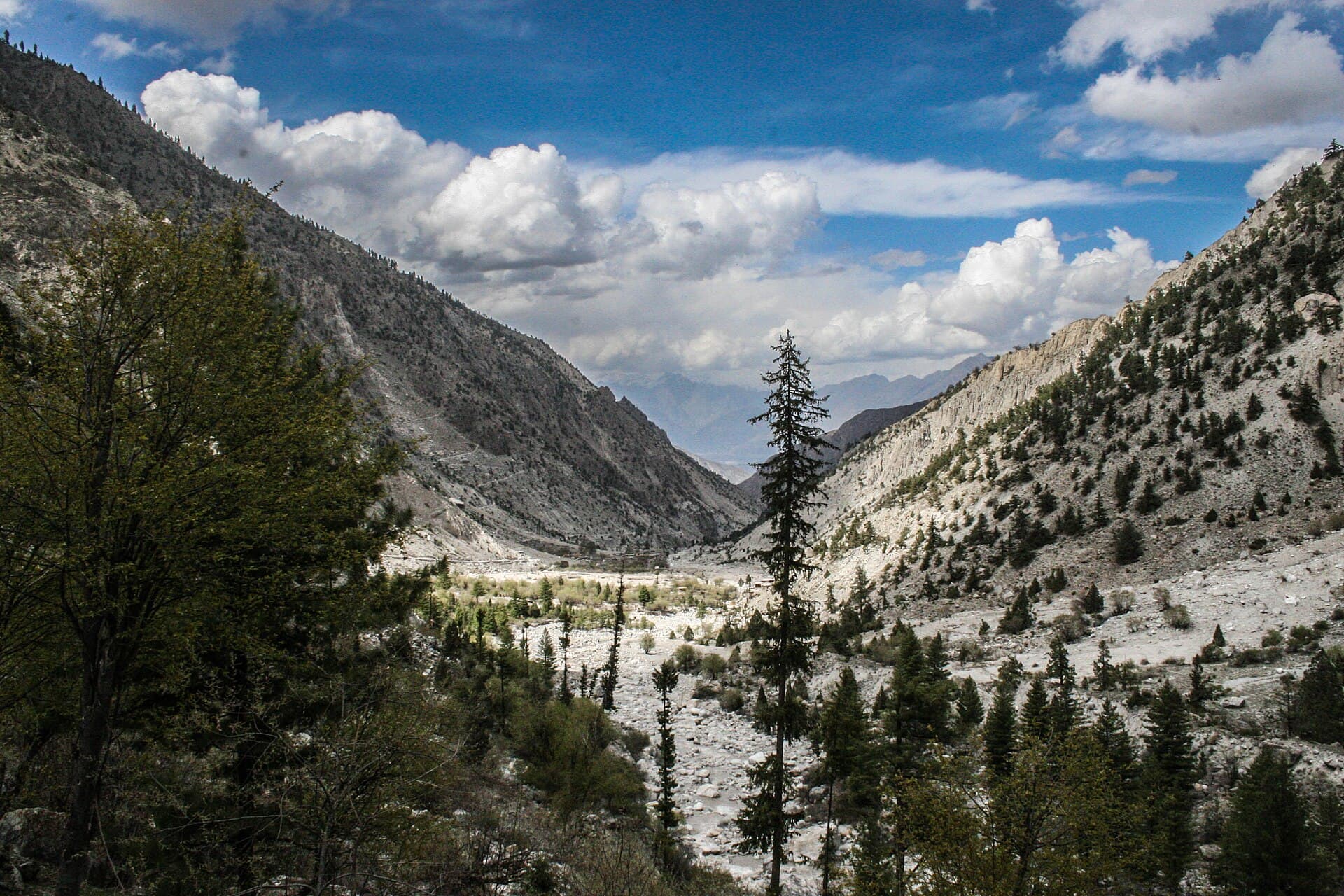
A short jeep-and-foot approach from Tato to the Fairy Meadows plateau.
- Distance
- 6 km
- Duration
- 1 day
- Max elevation
- 3,300 m
- Guide
- Optional
Best in Summer · AutumnView Trek
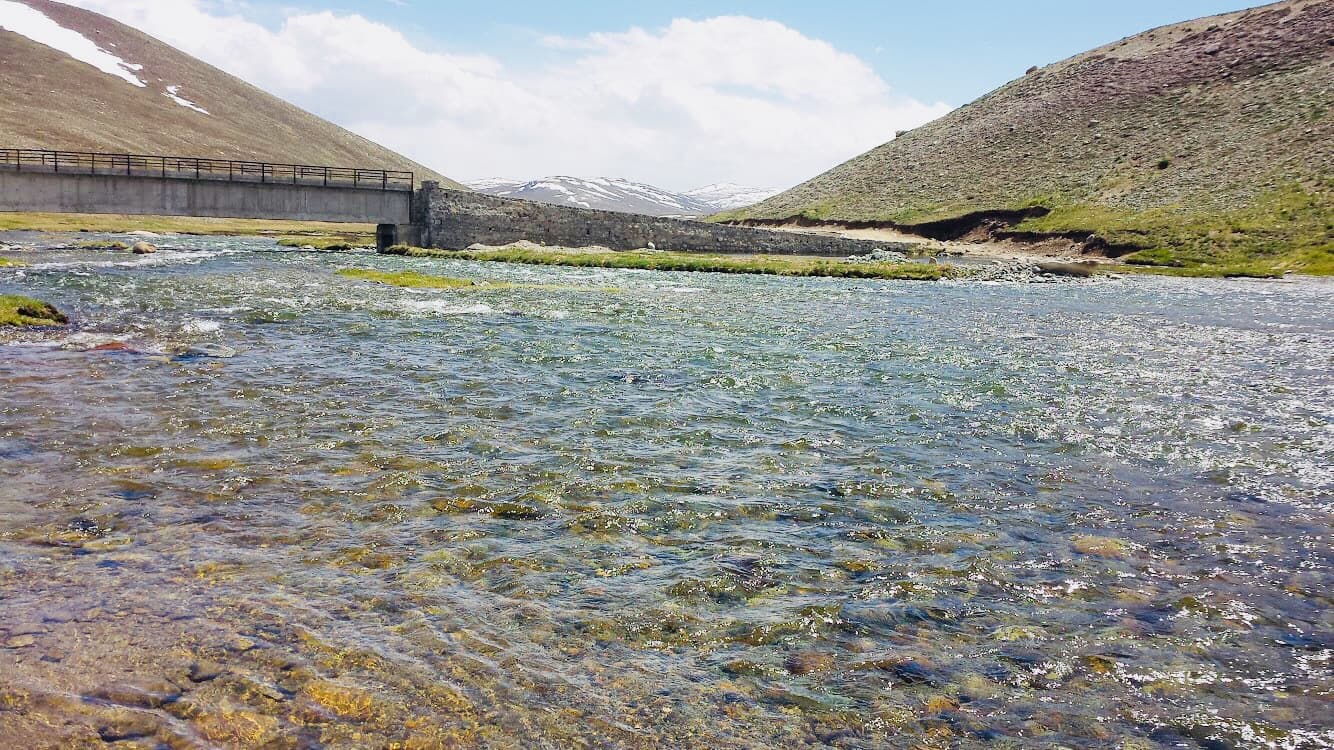
A vast high-altitude plateau known as the 'Roof of the World'.
Anything we haven't confirmed is labelled clearly rather than guessed at.
Deosai's scale is what defines it — a wide-open plateau ringed by distant peaks, with almost no trees and a short growing season that bursts into wildflowers for a few summer weeks. The park is one of the last strongholds of the Himalayan brown bear in Pakistan, and the road across it connects Skardu to Astore and, further on, Naran.
Deosai's scale is what defines it — a wide-open plateau ringed by distant peaks, with almost no trees at all.
A high alpine plateau above the treeline, dotted with streams, small lakes (including Sheosar Lake) and seasonal wildflower meadows.
Historically used as summer grazing land by local communities; now a protected national park.
Wildlife-interested travellers and those doing the Skardu-Astore crossing
A day crossing or a 2-day trip with a night camping on the plateau
Estimated visit length: 1-2 days
Every photo is real and credited — see the attribution section below for the full list.
A high alpine plateau above the treeline, dotted with streams, small lakes (including Sheosar Lake) and seasonal wildflower meadows.
Deosai is one of the last significant refuges for the Himalayan brown bear in Pakistan.
The plateau's openness — no treeline, few features — makes for a landscape unlike the valleys below it.
The road across Deosai links Skardu and Astore over one of the highest plateaus reachable by vehicle.
Availability is seasonal and not confirmed as currently operating — see each activity's verification status.
A high-altitude lake on the plateau, a common stop for those crossing Deosai.
Chances to see marmots and, less commonly, brown bears from a safe distance.
Camping on the plateau for those doing a multi-day crossing.
The only reliably open season — the plateau road is typically snowbound otherwise.
Seasonal access and weather conditions may change. Verify locally before travel.
A structural preview only. Detailed routes, driving times and road quality are coming in Phase 5.
Interactive route map
Detailed routes coming in Phase 5
Availability is never claimed without evidence — unconfirmed facilities default to unknown or needs-verification.
No fuel stations on the plateau — needs verification, plan accordingly.
This destination sits above 3,000m. Altitude can affect travellers differently — this is general awareness, not medical advice.
Weather and trail conditions change without notice and are not tracked live on this page. Check current conditions before travelling.
Road conditions are not currently verified. A local guide is recommended for remote or high-altitude sections.
Written factually, without claiming accessibility we haven't confirmed.
Historically used as summer grazing land by local communities; now a protected national park.
No treks are linked to this destination yet, so these are the region's routes — they may be a long way from here.
A short jeep-and-foot approach from Tato to the Fairy Meadows plateau.
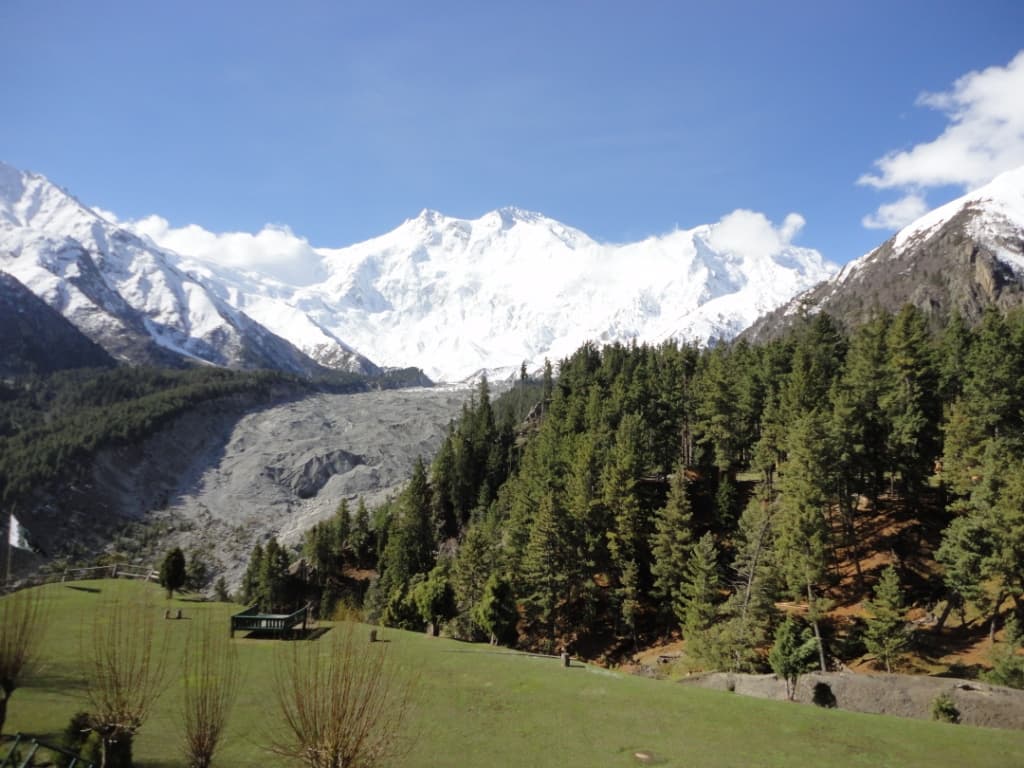
From Fairy Meadows up to the base of the 'Killer Mountain'.
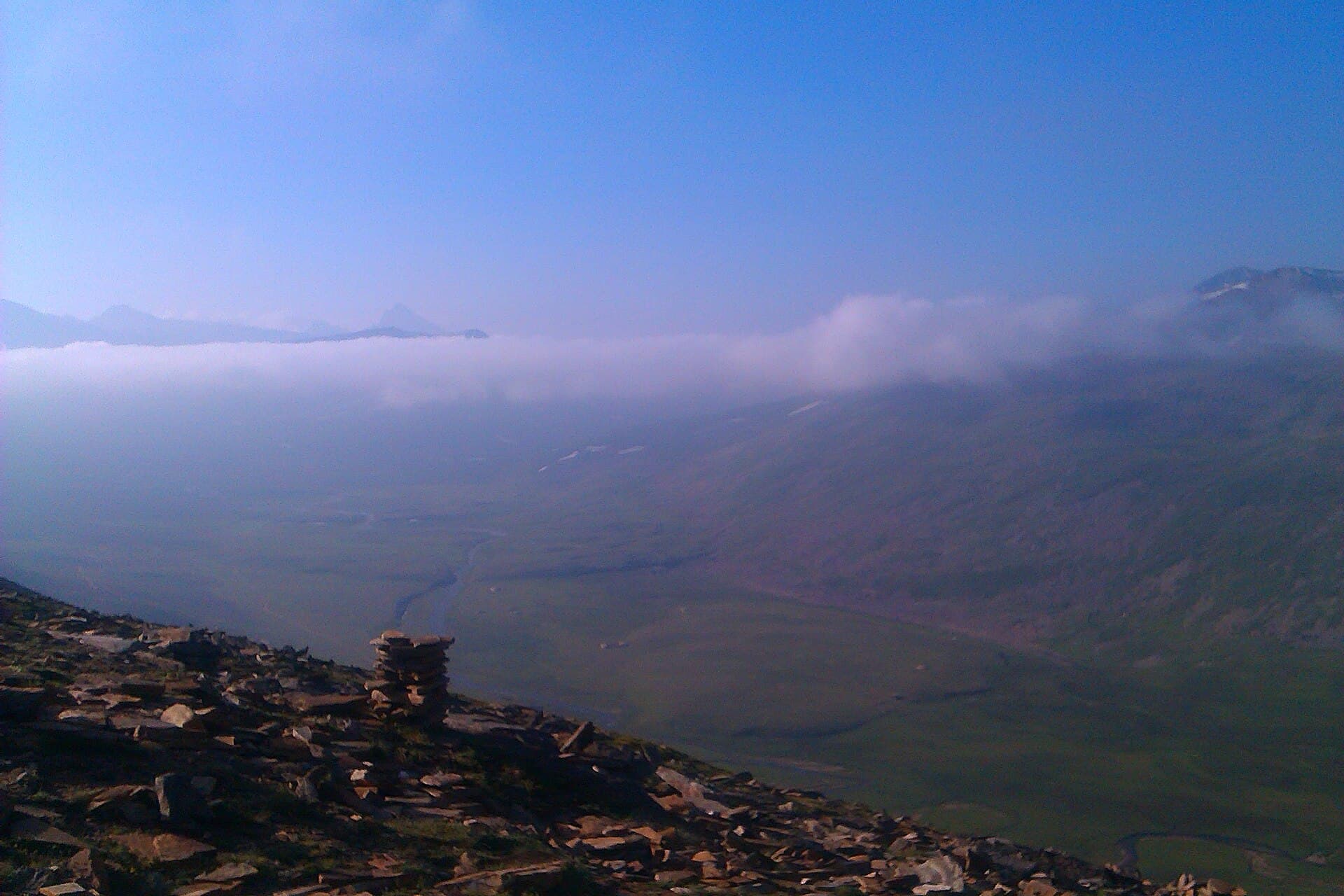
A steady climb from Hunza's Minapin village to Rakaposhi's glacier base camp.
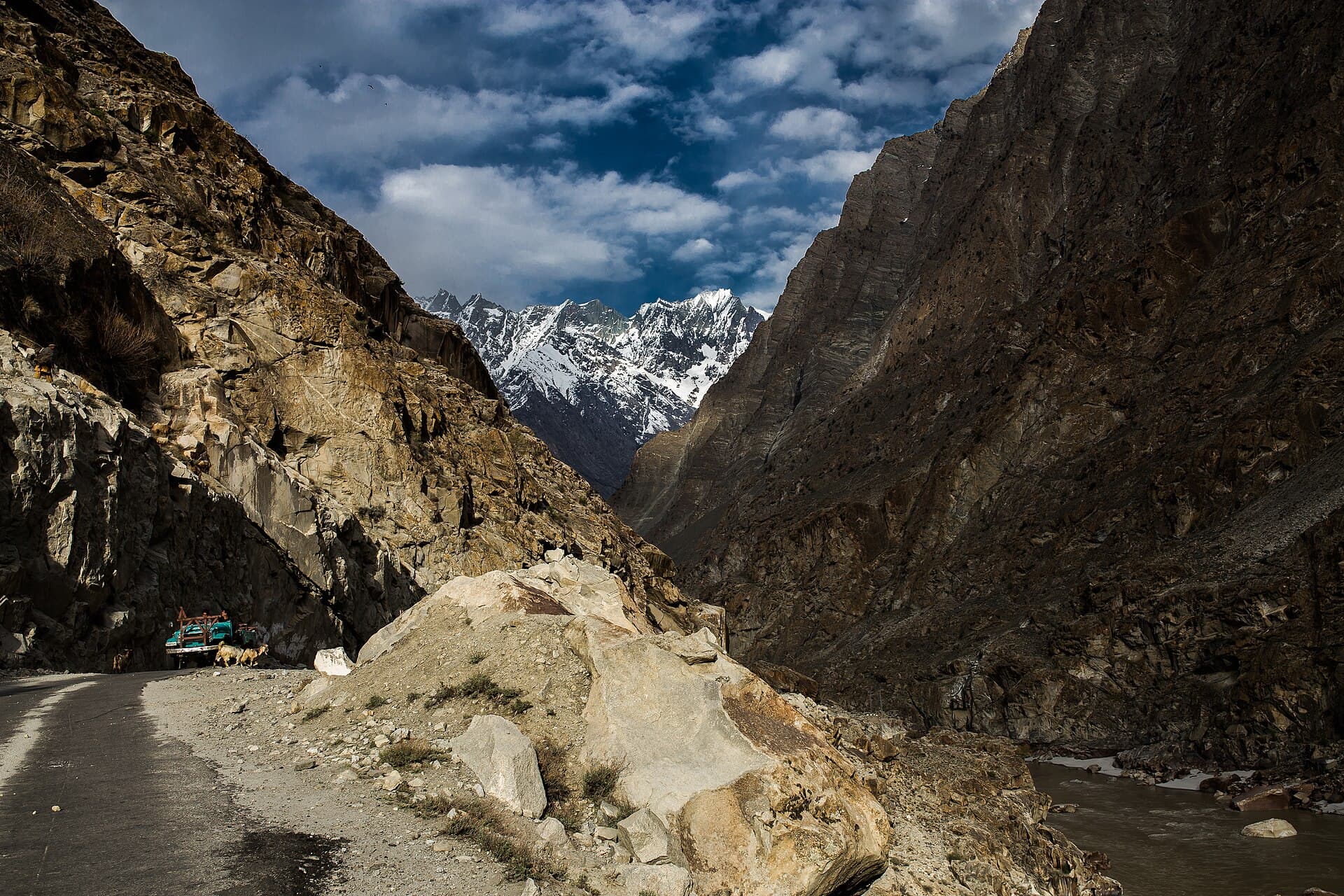
The Karakoram's gateway town, ringed by desert-like valleys and glacial lakes.
Summer only — the plateau is snowbound and the road typically closed the rest of the year.
A day crossing is possible; 2 days allows time to camp and look for wildlife.
The plateau sits above 4,000m — travellers should be aware of altitude effects; this is general guidance, not medical advice.
Recommended, particularly for camping or wildlife-focused visits.
What people who have been to Deosai National Park have shared. Everything below is a traveller's own account, not Kohistan Journey's verified information.
I live in Skardu and lead small groups through Baltistan most summers, so this report is less a first impression and more notes from a trip I do almost every year with a slightly different group each time — this time it was four visitors from Lahore who'd never been north before. We spent two days around Skardu itself before heading up onto Deosai, mostly so people could adjust to the altitude gradually rather than jumping straight to the plateau. Kachura and the fort ruins near town are an easy, unhurried way to spend that time. Deosai is the part people come for, and it's the part I still find genuinely striking even after leading groups there for years. There's a scale to it that doesn't photograph well — it's less about any single view and more about how far the openness extends in every direction, with almost nothing breaking the horizon except distant peaks. We walked a section of the plateau rather than only driving across it, which I'd recommend if anyone in your group is up for it; the road gives you the plateau, but walking a stretch of it gives you the silence. We were lucky with weather for most of the week, though one afternoon closed in fast with cloud and a cold wind that had everyone reaching for jackets they'd packed but not expected to need in August. That's normal for the plateau and worth planning around rather than being surprised by. This group left already asking about coming back in a different season, which I take as the trip having done its job.
Be the first to share a photo from Deosai National Park.
Share a photoTemperatures dropped noticeably within an hour of sunset during our August 2025 visit, with a cold wind picking up on one afternoon that surprised a few people in warm-weather clothing. Worth packing a proper layer regardless of the month.
Traveler-reported — not independently verified.
Traveller reports may be outdated or unverified. Confirm critical information locally before travel.
Photographs shared by travellers who have been here. Personal accounts, not Kohistan Journey's verified information — check anything time-sensitive locally.
No traveller posts yet
Nobody has shared a photo tagged to Deosai National Park yet. If you have been, you can be the first.