ModerateFeatured
Needs verificationKatora Lake Trek
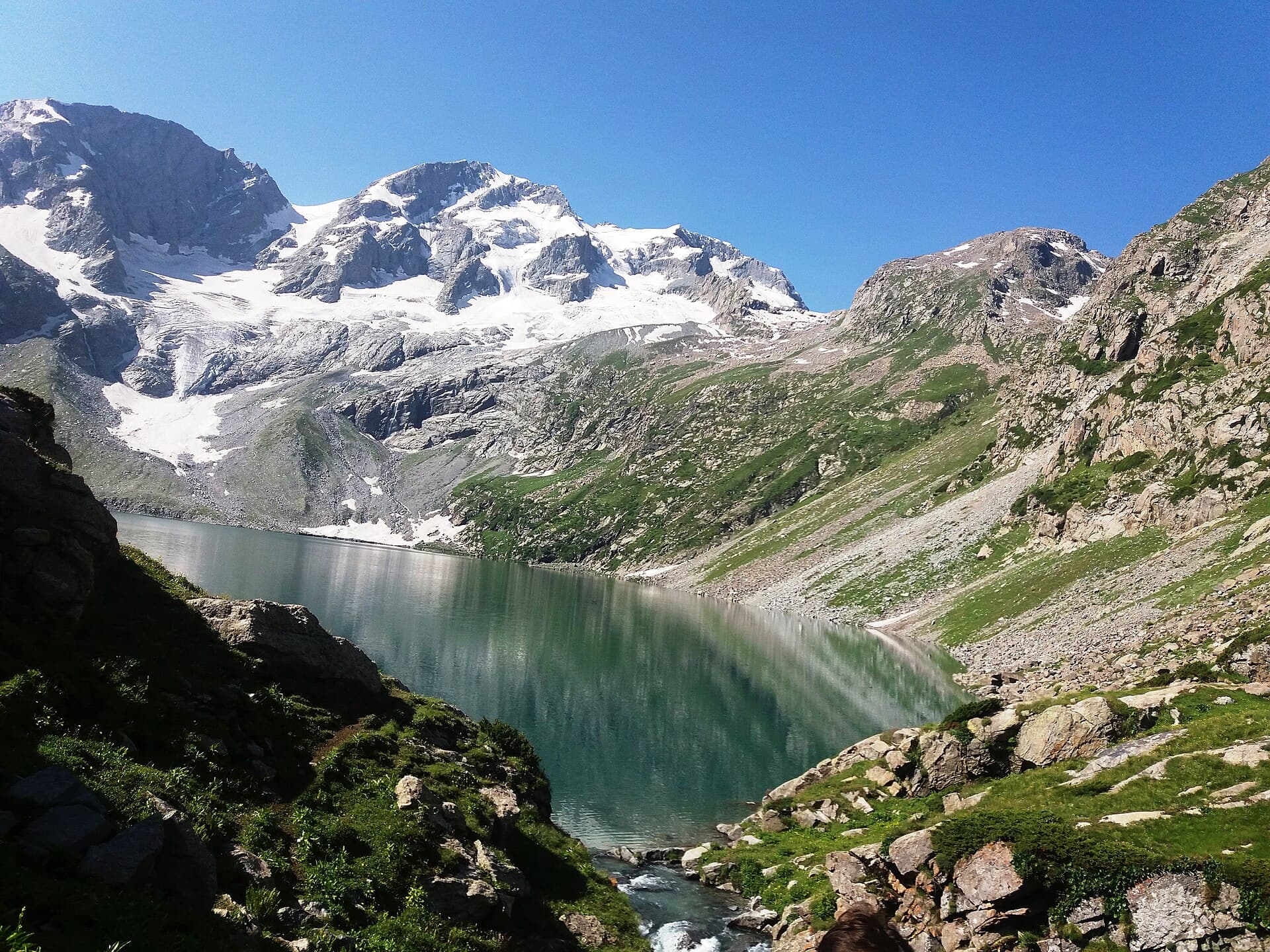
A bowl-shaped alpine lake reached from the Kumrat Valley.
- Distance
- 12 km
- Duration
- 1 day
- Max elevation
- 3,200 m
- Guide
- Recommended
Best in SummerView Trek
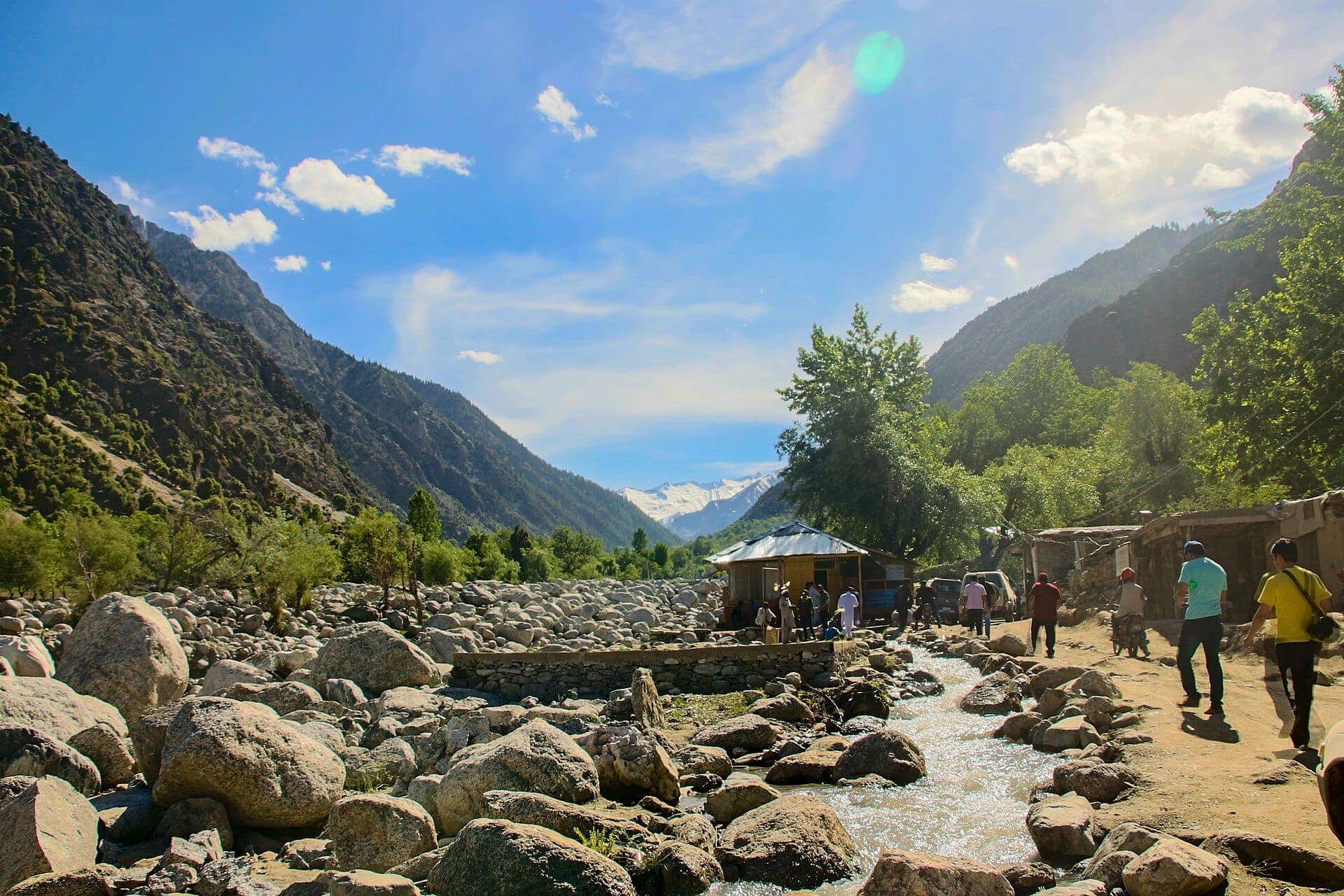
The three Kalasha valleys west of Chitral — Bumburet, Rumbur and Birir — home to one of Pakistan's smallest indigenous communities.
Anything we haven't confirmed is labelled clearly rather than guessed at.
Bumburet is the largest and easiest to reach, Rumbur quieter, Birir smaller again — but the reason to come is the same in each: the Kalasha are one of the smallest distinct communities in Pakistan, with a language of their own, a festival calendar tied to the farming year, and an indigenous religion practised nowhere else. That also makes this the most sensitive destination in the catalogue. The valleys are lived in, not exhibited, and the festivals are religious observances rather than performances. Visitors who come on those terms are generally welcomed; visitors who treat the villages as a backdrop are the reason access has grown more restricted over time.
The valleys are lived in, not exhibited, and the festivals are religious observances rather than performances.
Three narrow side valleys of walnut, mulberry and terraced fields below steep Hindu Kush slopes, running west from the Chitral valley.
The home of the Kalasha people, who speak Kalasha and practise an indigenous religion distinct from the Muslim-majority region around them.
Travellers with a genuine cultural interest, willing to visit on the community's terms
Two or three days based in one valley rather than a rushed circuit of all three
Estimated visit length: 2-3 days
Every photo is real and credited — see the attribution section below for the full list.
Three narrow side valleys of walnut, mulberry and terraced fields below steep Hindu Kush slopes, running west from the Chitral valley.
The Kalasha keep their own language, calendar and religion — not a preserved display, but daily life.
The valleys have stayed culturally separate from the Muslim-majority region around them for a very long time.
The valleys are striking, but people here are not scenery — always ask first, and accept no for an answer.
Availability is seasonal and not confirmed as currently operating — see each activity's verification status.
Time in Bumburet, Rumbur or Birir, ideally with a local guide who can explain what is and is not appropriate.
The Kalasha calendar includes festivals in spring, summer and midwinter; dates move each year and need verification before planning around them.
Walks between villages along the valley floors and terraced fields.
Road access and the midwinter festival period both need verification.
Seasonal access and weather conditions may change. Verify locally before travel.
Based on the data we have — uncertain relationships are marked for review rather than presented as confirmed.
A structural preview only. Detailed routes, driving times and road quality are coming in Phase 5.
Interactive route map
Detailed routes coming in Phase 5
Availability is never claimed without evidence — unconfirmed facilities default to unknown or needs-verification.
Small guesthouses operate in Bumburet; availability elsewhere needs verification.
Weather and trail conditions change without notice and are not tracked live on this page. Check current conditions before travelling.
Road conditions are not currently verified. A local guide is recommended for remote or high-altitude sections.
Written factually, without claiming accessibility we haven't confirmed.
General guidance — customs vary between communities, and this may not cover every situation.
The home of the Kalasha people, who speak Kalasha and practise an indigenous religion distinct from the Muslim-majority region around them.
No treks are linked to this destination yet, so these are the region's routes — they may be a long way from here.
A bowl-shaped alpine lake reached from the Kumrat Valley.
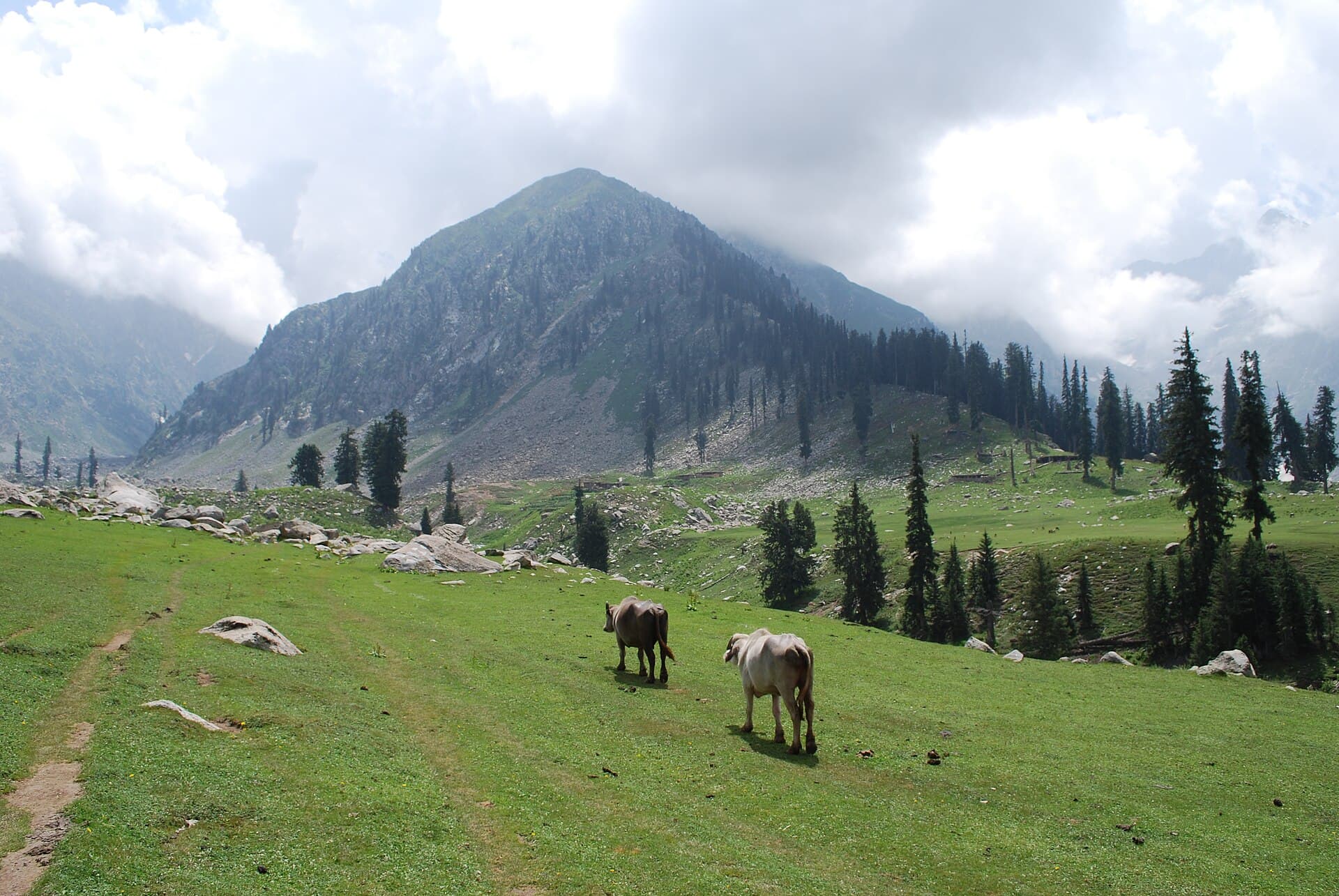
A ship-shaped alpine meadow above the Utror Valley.
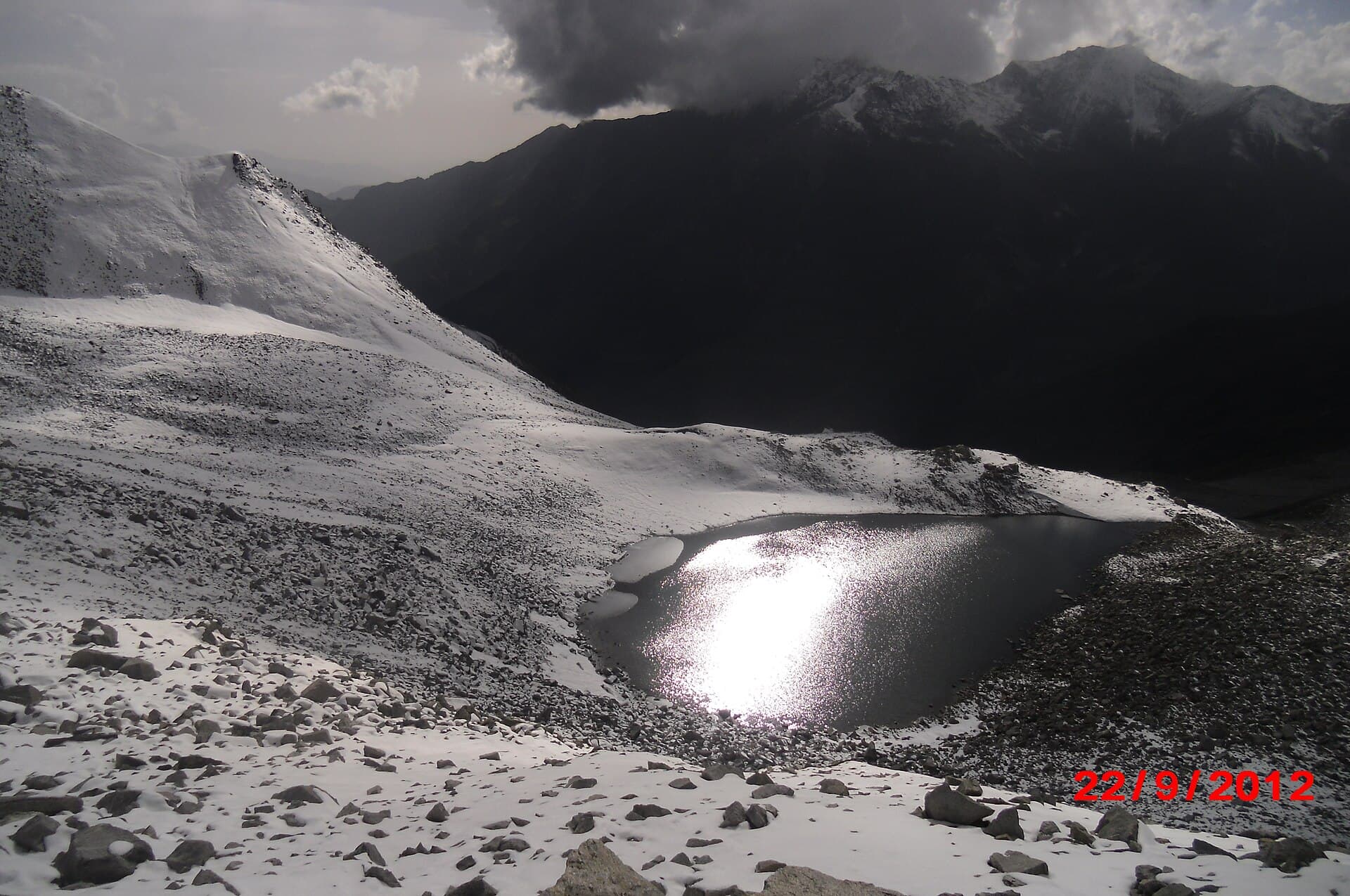
A demanding high-altitude trek to a teardrop-shaped lake above Saiful Muluk.
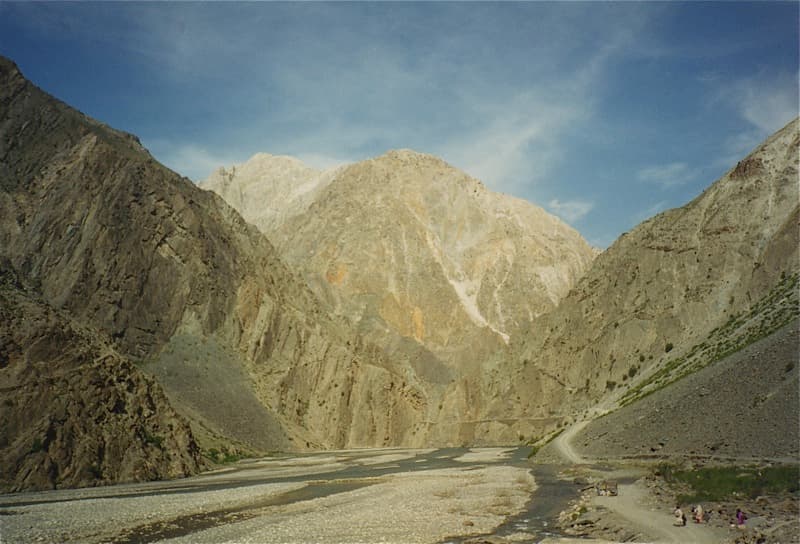
A remote frontier town beneath Tirich Mir, seat of the Mehtars and the road hub for the Hindu Kush.
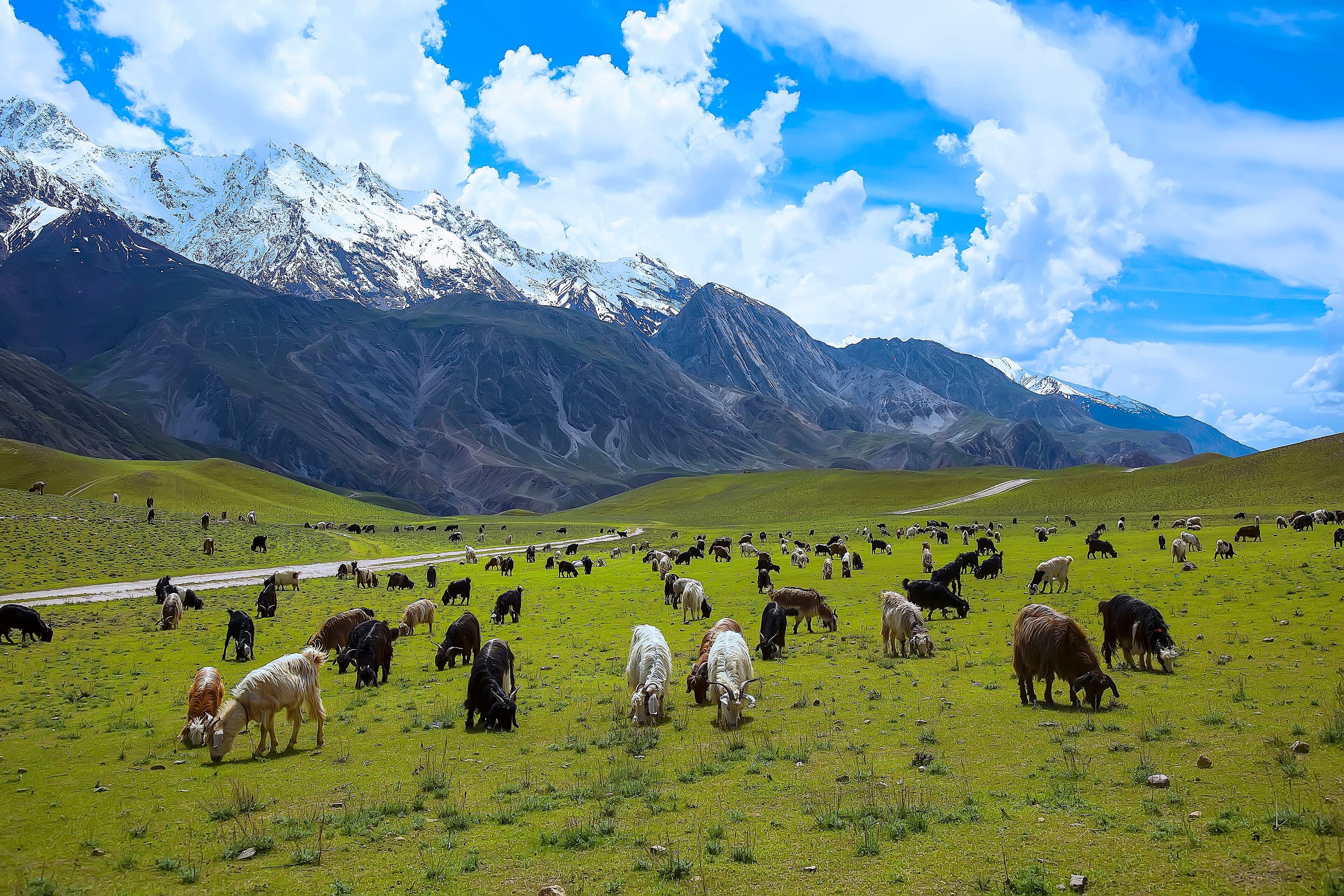
A protected reserve near Chitral town, established primarily to conserve the markhor, Pakistan's national animal.
Spring and summer are the usual windows; road access in winter needs verification.
Festivals are religious observances, not shows. Visitors have historically been able to attend respectfully, but dates shift each year and current arrangements need verification.
Strongly recommended — as much for knowing what is appropriate as for getting around.
Landscapes, generally yes. People, only with permission asked and given each time.
Needs verification — entry arrangements for the valleys have changed over time; check current requirements before travelling.
What people who have been to Kalash Valley have shared. Everything below is a traveller's own account, not Kohistan Journey's verified information.
No trip reports from Kalash Valley yet.
Write the first oneBe the first to share a photo from Kalash Valley.
Share a photoNo traveller updates for Kalash Valley yet.
Post an updatePhotographs shared by travellers who have been here. Personal accounts, not Kohistan Journey's verified information — check anything time-sensitive locally.
No traveller posts yet
Nobody has shared a photo tagged to Kalash Valley yet. If you have been, you can be the first.