ModerateFeatured
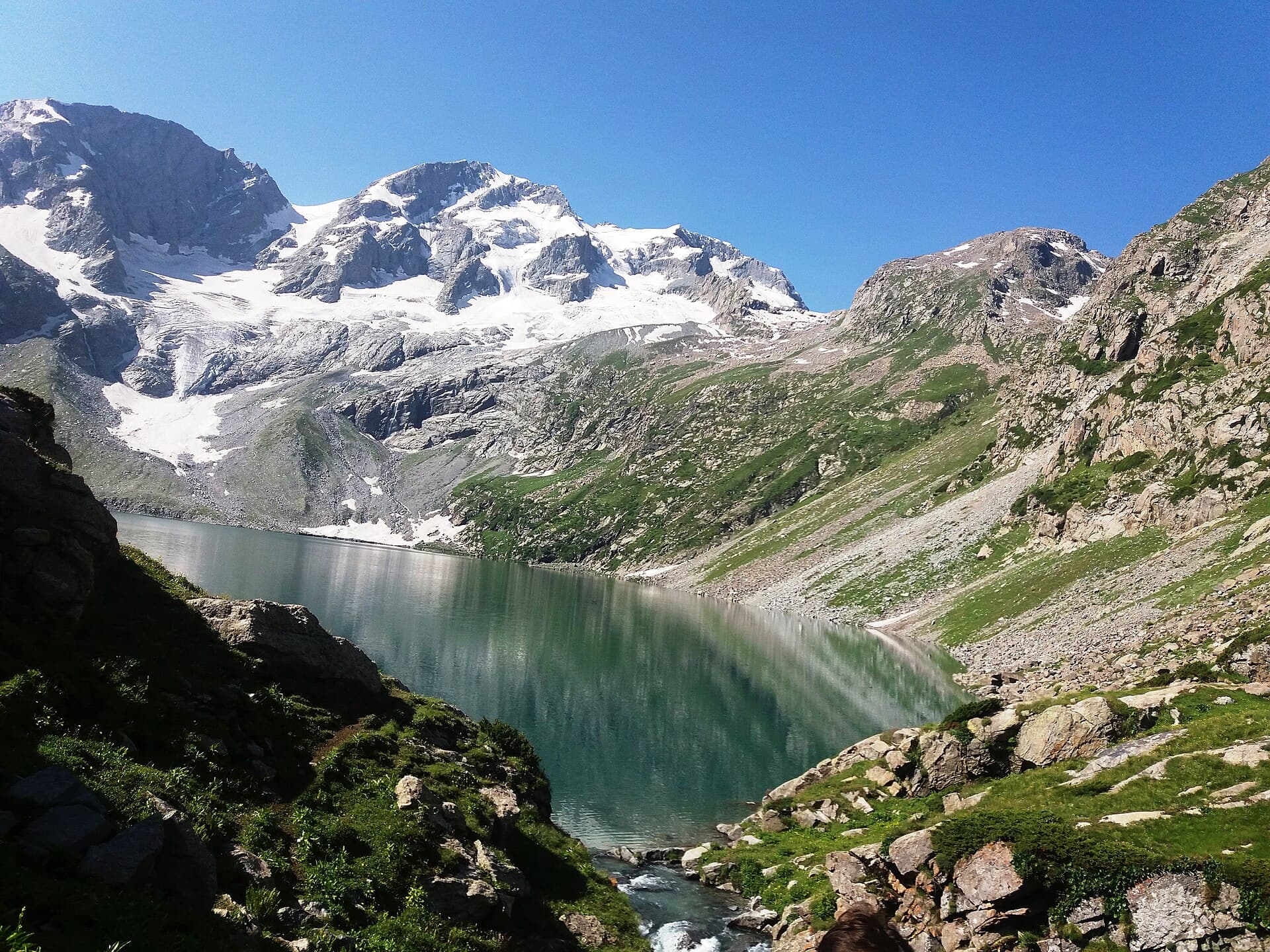
Needs verificationKatora Lake Trek
A bowl-shaped alpine lake reached from the Kumrat Valley.
- Distance
- 12 km
- Duration
- 1 day
- Max elevation
- 3,200 m
- Guide
- Recommended
Best in SummerView Trek
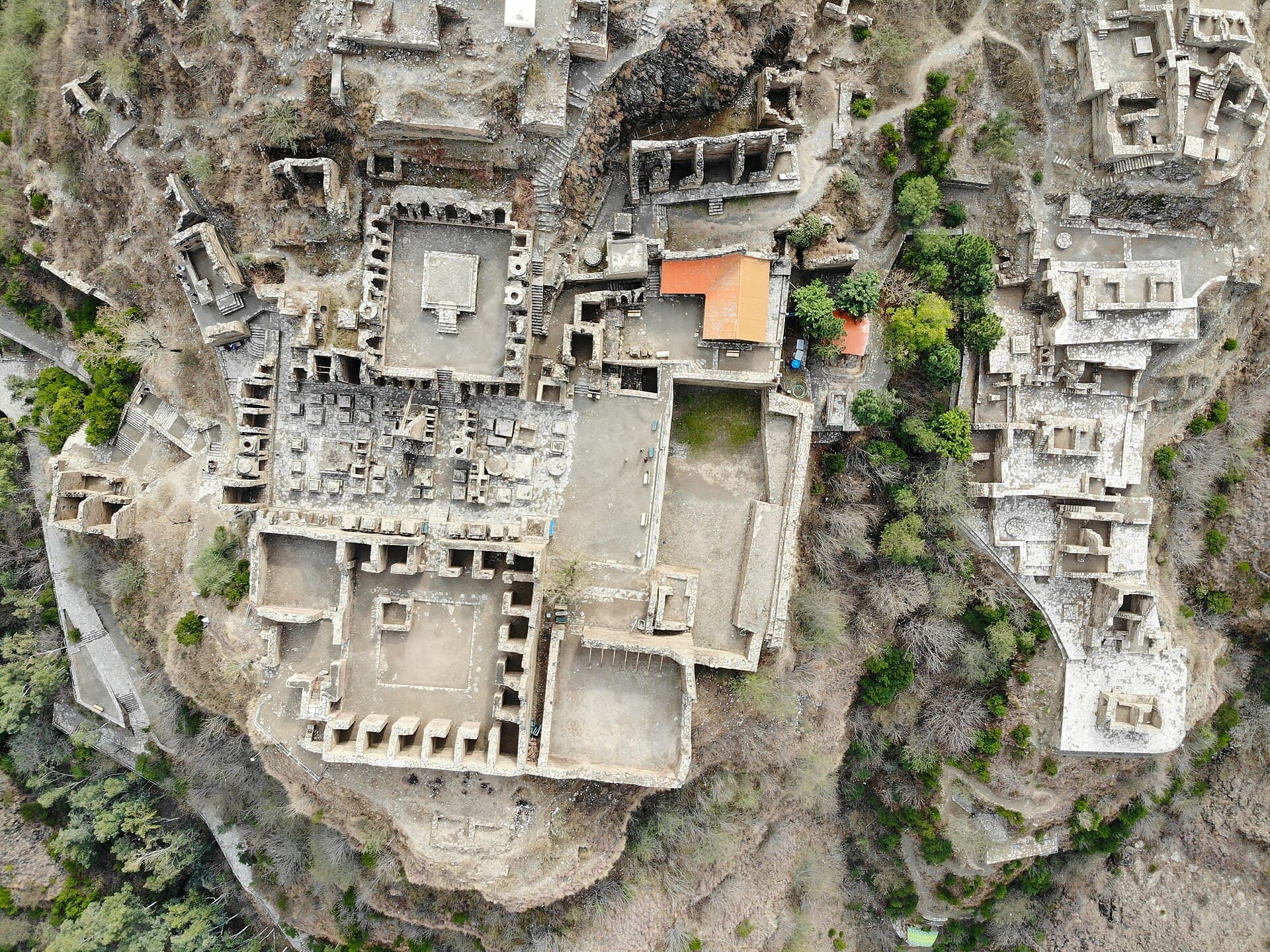
A hilltop Buddhist monastery complex near Mardan, inscribed as a UNESCO World Heritage Site in 1980.
Anything we haven't confirmed is labelled clearly rather than guessed at.
Takht-i-Bahi sits on a hill rather than beside a road, which is much of why it survived: the site was far enough from later settlement to be left alone. What remains is a monastery laid out in courts and cells — a stupa court, a monastic quadrangle, assembly halls and meditation cells — enough of it standing that the plan reads clearly on the ground rather than only on a diagram. It belongs to the Gandharan tradition that produced the sculpture now held in museums across the country, and the short climb from the car park is rewarded with views over the plain as well as the ruins.
Enough of it is standing that the plan reads clearly on the ground rather than only on a diagram.
A ridge-top site of dressed-stone courts and cells above the cultivated Mardan plain.
A Gandharan Buddhist monastic site in a now Muslim-majority farming district, part of the region's pre-Islamic history.
Travellers interested in archaeology, Gandharan history and World Heritage sites
A half-day visit, commonly combined with Peshawar
Estimated visit length: Half a day
Every photo is real and credited — see the attribution section below for the full list.
A ridge-top site of dressed-stone courts and cells above the cultivated Mardan plain.
The tradition behind the sculpture in Pakistan's museums, here as standing architecture.
Stupa court, monastic quadrangle, halls and cells all still readable as a layout.
The ridge-top position gives both the ruins and long views over the farmland below.
Availability is seasonal and not confirmed as currently operating — see each activity's verification status.
Walking the courts, cells and stupa area of the complex.
A short uphill walk from the car park to the ridge; surface and gradient need verification.
The site is exposed and summer heat on the plain is severe; early morning is the usual advice.
Seasonal access and weather conditions may change. Verify locally before travel.
A structural preview only. Detailed routes, driving times and road quality are coming in Phase 5.
Interactive route map
Detailed routes coming in Phase 5
Availability is never claimed without evidence — unconfirmed facilities default to unknown or needs-verification.
Accommodation is in Mardan or Peshawar rather than at the site.
Weather and trail conditions change without notice and are not tracked live on this page. Check current conditions before travelling.
Road conditions are not currently verified. A local guide is recommended for remote or high-altitude sections.
Written factually, without claiming accessibility we haven't confirmed.
A Gandharan Buddhist monastic site in a now Muslim-majority farming district, part of the region's pre-Islamic history.
No treks are linked to this destination yet, so these are the region's routes — they may be a long way from here.
A bowl-shaped alpine lake reached from the Kumrat Valley.
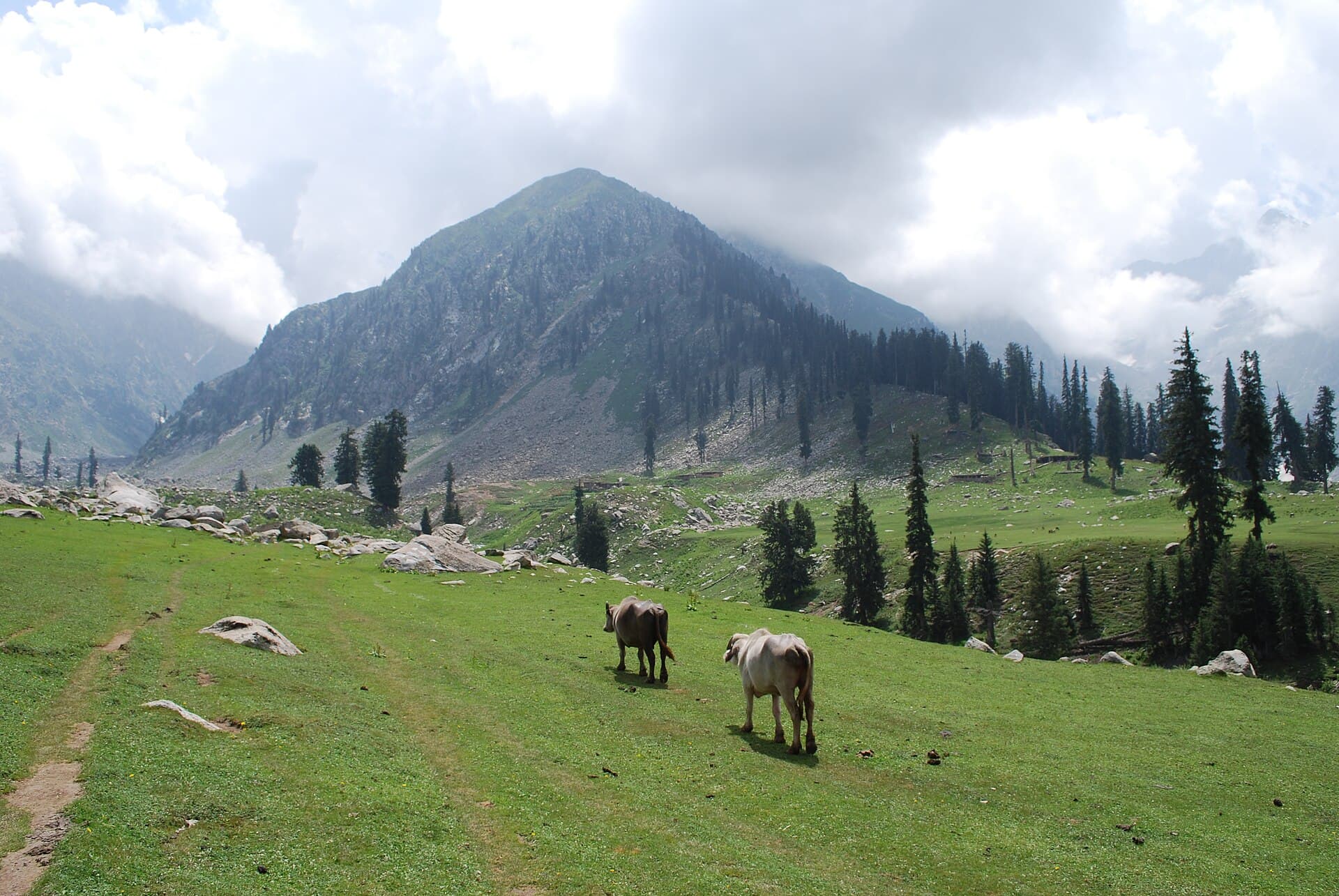
A ship-shaped alpine meadow above the Utror Valley.
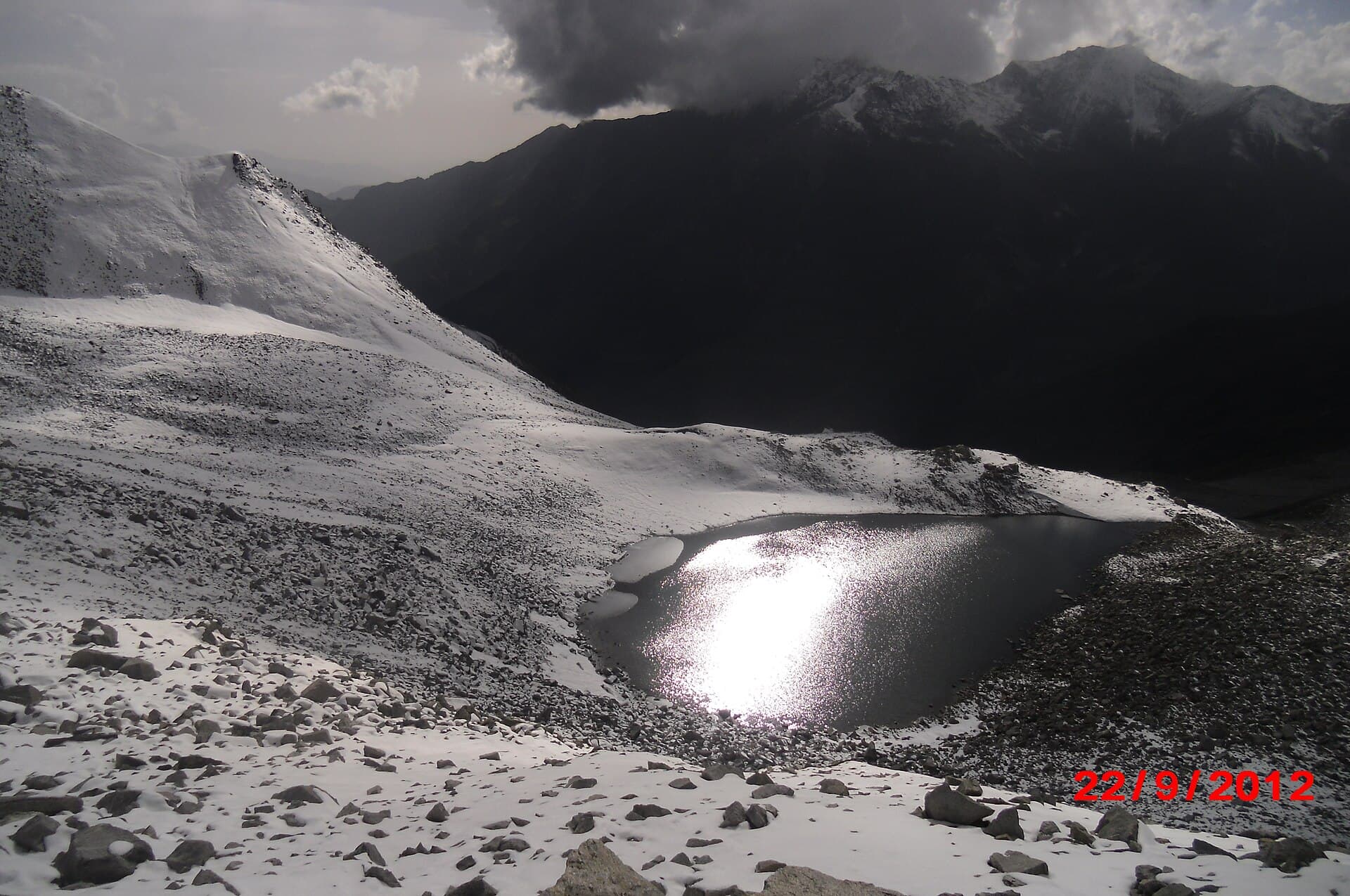
A demanding high-altitude trek to a teardrop-shaped lake above Saiful Muluk.
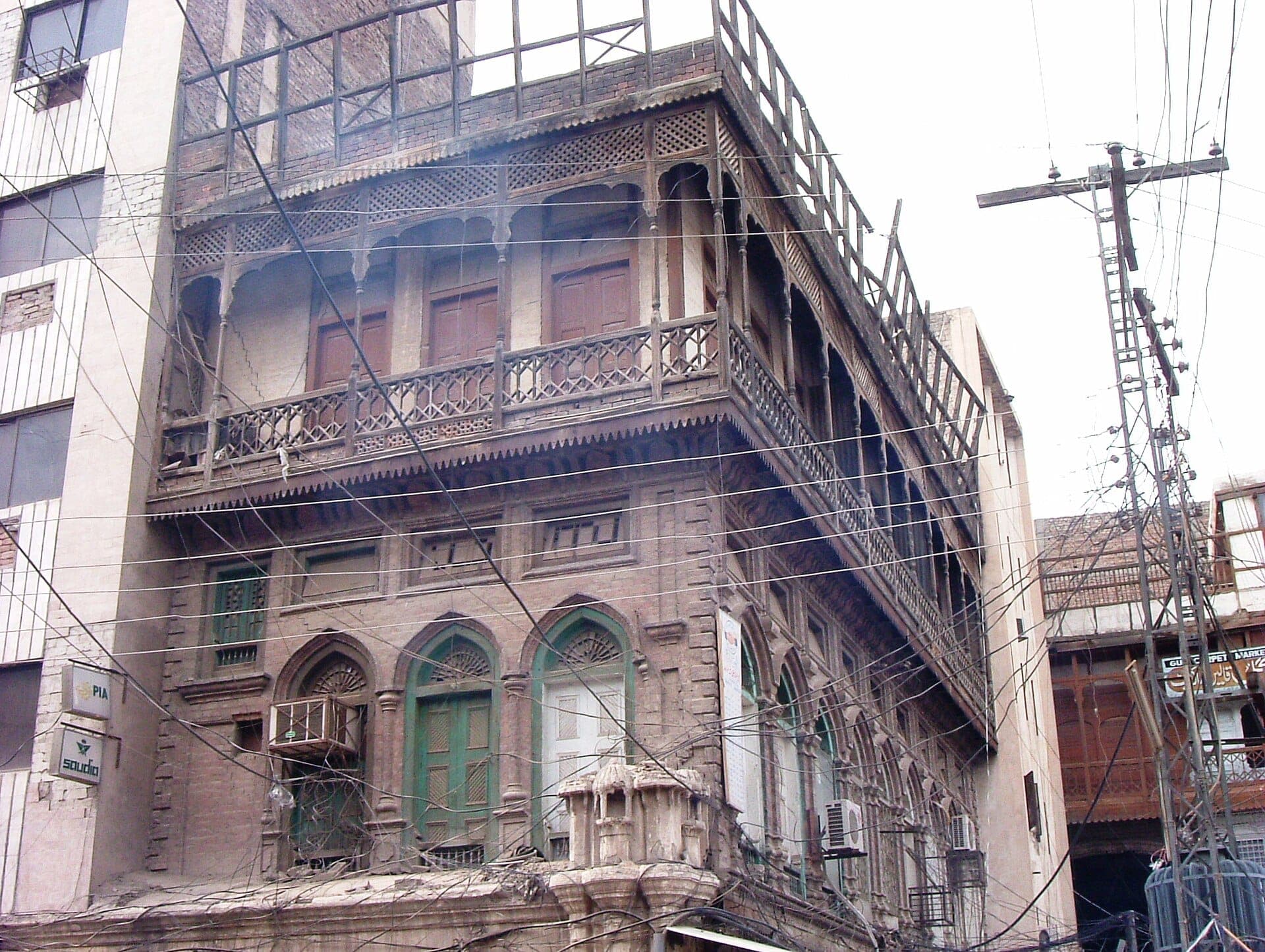
The walled old city of Peshawar — Qissa Khwani Bazaar, the Sethi houses and Mahabat Khan Mosque.
Autumn through spring; the site is exposed and summer on the plain is very hot.
Yes — inscribed on the UNESCO World Heritage List in 1980, together with the neighbouring remains at Sahr-i-Bahlol.
A short uphill walk from the car park; the gradient and surface need verification for anyone with mobility concerns.
Needs verification — the site is managed by the archaeology authorities and ticketing arrangements change.
What people who have been to Takht-i-Bahi have shared. Everything below is a traveller's own account, not Kohistan Journey's verified information.
No trip reports from Takht-i-Bahi yet.
Write the first oneBe the first to share a photo from Takht-i-Bahi.
Share a photoNo traveller updates for Takht-i-Bahi yet.
Post an updatePhotographs shared by travellers who have been here. Personal accounts, not Kohistan Journey's verified information — check anything time-sensitive locally.
No traveller posts yet
Nobody has shared a photo tagged to Takht-i-Bahi yet. If you have been, you can be the first.